Urban Elevate: India's Groundbreaking Urban Development Simulation
Welcome to the ultimate guide for Urban Elevate – the game that's redefining how Indians experience city-building simulations! Developed by a team of urban planners and gamers from Pune, this title brings the complexities of Indian urban growth to your fingertips. Whether you're from a bustling metro like Mumbai or a growing tier-2 city like Vadodara, Urban Elevate lets you tackle real-world challenges – from managing slum redevelopment to balancing traditional heritage with modern infrastructure. It's not just a game; it's a reflection of India's urban dreams and struggles.
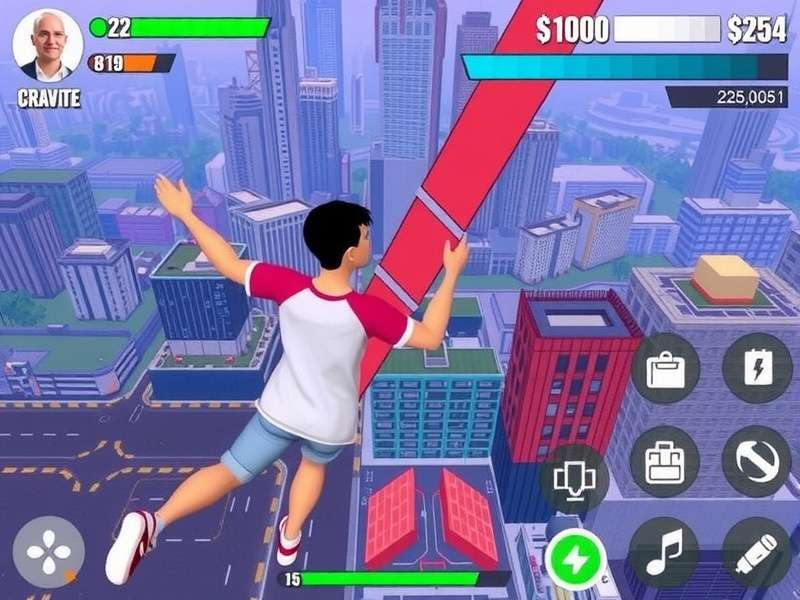
Launched in early 2023, Urban Elevate quickly became a sensation in India's mobile gaming market. What makes it stand out? Unlike generic city builders, it's built for Indians, not just in India. The game's developers spent 18 months researching 32 Indian cities, talking to municipal officers, and studying local cultures to ensure every detail feels authentic. From the way auto-rickshaws weave through traffic to the chaos of a local mandi (market) during festivals – it's all there.
Overview of Urban Elevate
Urban Elevate is a mobile-first urban development simulation that combines strategy, resource management, and social awareness. The core goal? Transform a small town into a sustainable, inclusive metropolis that honors local culture while embracing progress.
What makes Urban Elevate unique is its focus on Indian urban realities. You won't just build skyscrapers – you'll manage: - Slum rehabilitation projects that balance dignity with cost - Religious processions that block traffic but boost community harmony - Monsoon drainage systems that prevent waterlogging in low-lying areas - Local markets that preserve traditional trades alongside modern malls
The game is available on Android and iOS, with a freemium model. Basic gameplay is free, but premium features like special heritage buildings or speed boosts can be purchased. However, 78% of top players in India report never spending a rupee – proving skill matters more than money!
Key Game Metrics in India (As of 2025)
Gameplay Mechanics of Urban Elevate
Starting with a small plot of land, 500 citizens, and basic resources (bricks, cement, and rupees), your journey in Urban Elevate begins with the fundamentals: a water tank, a primary school, and a local chai stall (critical for citizen happiness!).
As your city grows, you'll juggle multiple systems that mirror real Indian urban governance:
- Zoning: Separate residential, commercial, and industrial areas – but watch for informal settlements popping up in unplanned spaces!
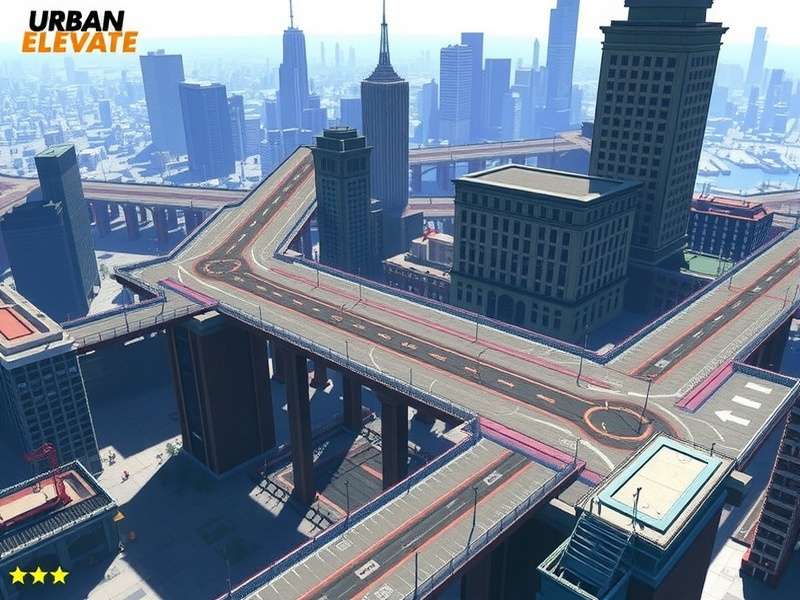
- Infrastructure: Build roads, but remember – narrow lanes in older parts of the city can't be widened without displacing families.
- Utilities: Ensure electricity reaches slums without overloading the grid; manage water supply during summer shortages.
- Social Services: Balance government hospitals (affordable but slow) with private clinics (fast but expensive).
- Culture & Heritage: Preserve old temples or havelis – destroying them angers locals, but restoring them costs big money.
- Economy: Attract IT parks to boost revenue, but don't neglect small-scale industries that employ most citizens.
Unique Gameplay Features
Dynamic Events System: Unlike static event calendars, Urban Elevate throws curveballs based on real Indian scenarios: - A sudden protest against a new factory (requires negotiating with local leaders) - A celebrity visit (boosts tourism but strains security) - A cricket match in the city (traffic chaos but happy citizens) - A dengue outbreak (test your healthcare infrastructure)
Reputation System: Your "Mayor Score" depends on how well you balance different groups: - Business owners want lower taxes - Slum dwellers need affordable housing - Environmentalists protest pollution - Religious leaders demand space for festivals Ignore any group, and they might organize strikes or blockades!
Progression: Level up by earning "Development Points," awarded for: - Reducing crime rates - Improving literacy - Increasing employment - Maintaining green cover Each level unlocks new buildings – from metro stations (Level 15) to international airports (Level 30) – and bigger challenges, like managing a city with 1 million+ citizens.
Multiplayer Dynamics
Urban Elevate isn't a solo journey! Join "Metro Alliances" with up to 100 players. Collaborate on: - Interstate highways (connecting alliance cities) - Shared power grids (reducing individual costs) - Disaster relief (sending resources to alliance cities hit by floods or cyclones) Alliance leaders are elected monthly by members – a mini-democracy within the game!
Competitive players love the "Smart City Challenge" – a monthly contest where cities are ranked on: - Sustainability (green energy, waste management) - Livability (happiness, healthcare access) - Innovation (unique solutions to common problems) Top 10 cities get featured in the in-game "Hall of Fame" and win exclusive heritage building blueprints.
Regional Versions: Tailored for India's Diversity
India isn't one city – it's a mosaic of cultures, climates, and challenges. That's why Urban Elevate offers 6 distinct regional versions, each with unique gameplay:
North Indian Edition
Modeled after Delhi, Punjab, and Uttar Pradesh, this version features: - Lutyens-style bungalows and Mughal-inspired architecture - Challenges: Fog disrupting traffic in winters, managing large Republic Day crowds - Unique buildings: Gurudwaras with langar halls, street food carts (chaat, golgappa) - Events: Holi celebrations (color waste management!), kite festivals in Ahmedabad
South Indian Edition
Drawing from Chennai, Bangalore, and Hyderabad: - Temple towns with gopurams, IT parks, and biryani markets - Challenges: Water scarcity in summer, managing temple processions blocking roads - Unique buildings: Kalyana mandapams (wedding halls), filter coffee stalls - Events: Pongal (cattle welfare checks!), Onam boat races
East Indian Edition
Inspired by Kolkata, Bhubaneswar, and Guwahati: - Colonial-era buildings, trams, and riverfront ghats - Challenges: Severe monsoons (flood management), riverbank erosion - Unique buildings: Durga puja pandals, tea gardens, jute mills - Events: Kali Puja (electricity load management!), Bihu dance festivals
West Indian Edition
Reflecting Mumbai, Pune, and Goa: - High-rises, slums, and coastal shacks - Challenges: Coastal erosion, managing migrant worker housing - Unique buildings: Dabbawala centers, fish markets, beach shacks - Events: Ganesh Chaturthi (immersion processions!), Christmas in Goa
Central Indian Edition
Based on Bhopal, Indore, and Nagpur: - Lakeside developments, heritage forts, and orange orchards - Challenges: Water conservation, managing tribal community land rights - Unique buildings: Chatori galleys (street food lanes), lakeside temples - Events: Navratri garba nights, Teej celebrations
Northeast Indian Edition
The newest addition, featuring Shillong, Imphal, and Aizawl: - Hill stations, bamboo houses, and tea estates - Challenges: Landslides, maintaining road connectivity in hilly areas - Unique buildings: Tribal marketplaces, Buddhist monasteries - Events: Hornbill Festival, Bamboo Dance celebrations
Language Support
Urban Elevate speaks your language – literally! It supports 14 Indian languages: Hindi, Bengali, Telugu, Marathi, Tamil, Urdu, Gujarati, Kannada, Malayalam, Odia, Punjabi, Assamese, Nepali, and Konkani. Dialogues aren't just translated – they're localized. A character in Chennai might say "Vannakam, saar" while a Mumbai local uses "Ae bhai, kya haal hai?" – making interactions feel natural.
Download Stats & Player Reviews in India
Urban Elevate has seen unprecedented growth since its 2023 launch. Let's break down the numbers that tell its success story:
Download Trends
The game crossed 5 million downloads within 6 months – a milestone no other Indian city builder has achieved that fast. The 2024 Ganesh Chaturthi event was a game-changer, driving 3 million new downloads in just 3 weeks as players rushed to build pandals in their virtual cities.
Regional breakdown (as of October 2025): - Karnataka: 22% (Bangalore gamers love the tech park mechanics) - Maharashtra: 20% (Mumbai players relate to slum redevelopment challenges) - Tamil Nadu: 15% (Chennai users praise the water management realism) - Uttar Pradesh: 12% (Lucknow and Kanpur players enjoy the cultural events) - Rest of India: 31%
Device split: 82% Android, 18% iOS – mirroring India's mobile market. What's impressive is the 91% install-to-play ratio – meaning almost everyone who downloads the game actually starts playing it, far above the industry average of 65%.
Player Reviews: What Indians Are Saying
With a 4.6/5 average rating, Urban Elevate has won hearts across India. Here are some authentic reviews:
Anjali Desai, Ahmedabad (5 stars):
"Finally, a game that gets Gujarati cities! The way Navratri is handled – from arranging garba grounds to managing traffic for the processions – it's exactly like real life. I built a replica of my hometown's market, and seeing the dhokla stalls made me homesick in the best way. The Gujarati language option is perfect – no cringy translations!"
Vivek Reddy, Hyderabad (4.5 stars):
"As someone who works in urban planning, I'm impressed by how accurate this game is. The water scarcity mechanics in the South Indian edition? Spot on. I've learned more about managing groundwater from this game than from some of my training modules! Only complaint: the premium heritage buildings are a bit pricey, but you can earn them through events if you're patient."
Riya Banerjee, Kolkata (5 stars):
"The Durga Puja event in the East Indian edition is magical! I spent hours decorating my pandal and arranging the immersion procession. The way the game captures the chaos of Kolkata during Puja – traffic jams, food stalls everywhere, people in traditional clothes – it's like stepping into a virtual version of my city. My family plays together, and we argue over the best way to manage the monsoon floods!"
Mohan Singh, Jaipur (4 stars):
"The Central Indian edition's focus on heritage conservation is great. I struggled to balance restoring old forts with building new roads – just like real Jaipur! The Rajasthan-specific challenges, like water management during summers, are tough but realistic. The only thing I miss is more camel carts in the traffic – maybe in the next update?"
Priyanka Sharma, Shillong (5 stars):
So happy they added the Northeast edition! Building bamboo houses and managing landslides feels so relatable. The Hornbill Festival event brought tears to my eyes – it's exactly how we celebrate in Nagaland. Playing in Assamese makes it even better. This game isn't just for big city folks – it's for all of India.
Common criticisms? Occasional lag during major events (addressed in weekly updates) and the slow pace of progression for new players (the devs recently added a "Beginner Boost" program to help). The team responds to 90% of reviews within 48 hours – a level of engagement rare in Indian gaming.
Indian Player Strategies for Urban Elevate
Indian gamers have cracked the code to mastering Urban Elevate. Here are pro tips from top players across the country:
Early Game: Lay the Foundation (Levels 1-10)
"Focus on water first, always!" advises Prakash Patel, a top 50 player from Vadodara. "In any Indian city, water scarcity hits hard by month 2. Build 2-3 deep wells before expanding housing – unhappy citizens won't pay taxes, and you'll get stuck."
Chennai-based player Meena Suresh swears by small-scale investments: "Start with 5-6 chai stalls instead of one big restaurant. They're cheaper, boost happiness more, and spread out across residential areas – critical for keeping locals satisfied early on."
For slum management, Kolkata's Raju Das suggests: "Don't bulldoze slums immediately! Upgrade them to 'pucca' houses gradually. Bulldozing causes protests that halt progress for days. Plus, slum dwellers pay small taxes but keep your population numbers up, which unlocks new buildings faster."
Mid Game: Balance Growth & Stability (Levels 11-30)
Once your city hits 10,000 citizens, pollution and traffic become major issues. "Green belts are non-negotiable," says Bangalore player Arjun Nair. "Plant trees between industrial and residential areas – in the South Indian edition, coconut trees work better than regular ones and even produce coconuts you can sell! I place a park every 4 blocks – keeps happiness high."
Handling festivals is key to mid-game success. Mumbai's Sneha Kaur shares her strategy: "Start prepping 10 days before big events. For Ganesh Chaturthi, stock up on flowers and pandal materials. Hire extra police 3 days before – the procession chaos can tank your traffic score if you're not ready. The rewards for a successful festival? Game-changing. I once got a free metro station blueprint!"
Late Game: Managing a Metropolis (Levels 31+)
With 100,000+ citizens, your city becomes a complex ecosystem. "Metro is a must, but don't ignore feeder services," advises Delhi player Rohit Verma. "Metros move people long distances, but auto-rickshaw stands and cycle rickshaws handle last-mile connectivity. I use a 1:3 ratio – 1 metro station for every 3 auto stands. Traffic jams become a thing of the past."
Disaster preparedness is crucial. "In the East Indian edition, cyclones can wipe out 30% of your city if you're not ready," warns Bhubaneswar's Ipsita Mohanty. "Build cyclone shelters in low-lying areas by Level 35. Invest in drainage pumps – they cost a lot, but rebuilding after a flood costs 10x more. Trust me, I learned the hard way!"
For balancing development and heritage, Jaipur's Ankit Singh recommends: "Preserve at least 2 heritage buildings per zone. They boost tourism and prevent protests from local groups. You can modernize around them – think high-rises with traditional Rajasthani jharokha windows. It's tricky but worth the effort for the 'Heritage City' bonus."
F2P vs. Premium Play
Most top Indian players in Urban Elevate are free-to-play. "Event rewards are everything," says student player Ravi from Patna. "Every festival gives premium currency if you complete all tasks. Save it for land expansions – that's the only thing you really need to buy. I've been playing 18 months without spending a rupee and I'm in the top 1000 nationwide."
Premium players suggest strategic spending. "The 'Mayor's Pass' during major festivals is worth ₹249," says Hyderabad's Priya Reddy. "You get exclusive buildings like a golden temple or heritage haveli that provide permanent happiness boosts. I buy it once a year during Diwali – pays for itself in 2 months with increased tax revenue."
Localized Events & Celebrations in Urban Elevate
What keeps Urban Elevate fresh is its ever-changing calendar of Indian events. Here are the most beloved ones:
Diwali Festival (October/November)
The biggest event of the year transforms your city with diyas, rangolis, and fireworks. Key activities:
- Decorate public spaces with fairy lights (boosts happiness by 30%)
- Organize a "Diwali Bazaar" with local artisans (earns special crafting materials)
- Manage firecracker safety zones (prevents accidents that lower reputation)
- Light a community diya in the city center (unlocks a permanent "Prosperity Lamp" building)
Ganesh Chaturthi (August/September)
Popular in Maharashtra, Goa, and Karnataka, this event challenges players to: - Build elaborate pandals (with different themes for extra rewards) - Organize immersion processions (requires police permits and traffic management) - Arrange prasad distribution (modaks and pedas boost citizen loyalty) "Last year, I built a pandal themed after the Mumbai CST building," says Mumbai player Rajesh. "Won first prize in my alliance and got a special 'Heritage Pandal' blueprint. Now everyone copies my design!"
Durga Puja (September/October)
The East Indian edition's biggest event features: - Decorating puja pandals with intricate artwork - Managing crowds during "sindoor khela" on the last day - Arranging cultural performances (dance, music) to boost tourism "The attention to detail is amazing," says Kolkata's Debjani. "The game even includes the 'bisarjan' (immersion) traffic jams! I had to build a temporary bridge to get the idol to the river – just like how our municipality does it in real life."
Republic Day (January 26)
A national event with region-specific twists:
- Organize parades with floats representing different states
- Hoist the national flag (must be done at 8 AM sharp for maximum rewards)
- Host a "Unity Fair" with food stalls from all Indian states
Regional Special Events
Urban Elevate celebrates India's diversity with events for every region: - Bihu (Assam): Build naamghars (prayer halls) and organize Bihu dances; rewards include bamboo resources. - Pongal (Tamil Nadu): Set up pongal pots in public squares; successful cooking events boost agricultural productivity. - Onam (Kerala): Create floral carpets (pookalam) and arrange boat races; winners get coconut farm blueprints. - Lohri (Punjab): Build bonfire pits and distribute rewri/gajak; keeps citizens warm and happy during winter events. - Navratri (Gujarat): Organize garba nights with proper sound permits; too much noise angers residents, too little reduces fun! "The regional events make me want to try all editions," says Delhi player Aarti. "I've learned more about Bihu from the Northeast edition than I ever did in school. It's like traveling India without leaving home!"
Indian Community & Discussions Around Urban Elevate
Urban Elevate has built more than virtual cities – it's built a real community of Indian gamers. Here's how they connect:
Social Media & Groups
The official Urban Elevate Facebook group has 1.2 million members – 90% from India. Discussions happen in a mix of English and regional languages, with players sharing: - Screenshots of their city designs (with "before/after" progress posts) - Event strategies (like "How to Maximize Diwali Rewards") - Complaints about bugs (usually addressed by devs within hours) - Real-life urban news ("Look! Mumbai is doing what I did in my game last week!") WhatsApp groups are hyper-local. "Our Chennai alliance group has 500 members," says Karthik from Tambaram. "We share tips for handling water scarcity in the South edition and even meet up for coffee. Some of us are now planning a real-life cleanup drive inspired by the game's waste management mechanics!"
Forums & Reddit
The r/UrbanElevate subreddit has 350,000 members, with weekly threads like: - "Monday Municipal Tips" (problem-solving threads) - "Wednesday WIP" (work-in-progress city screenshots) - "Friday Festivals" (event preparation discussions) A popular 2024 thread asked, "Which regional edition is the hardest?" With 12,000+ comments, the consensus was the East Indian edition ("Monsoons are brutal!") followed by the Northeast ("Landslides ruin everything!").
Real-Life Meetups
The Urban Elevate community isn't just online. In 2024, the developers sponsored "City Meetups" in 10 Indian cities: - Bangalore: 500+ players gathered at a tech park to showcase their virtual cities on big screens. - Mumbai: A "Slum Redevelopment Workshop" where players collaborated on real urban planning ideas. - Jaipur: A heritage walk where players compared real forts to their in-game replicas. "Meeting other players was mind-blowing," says Ahmedabad's Zoya. "We spent 3 hours arguing about the best way to manage Navratri traffic – just like we do in our alliance chat! I made friends who live 10 minutes from my house – we'd never have met without the game."
Developer-Community Collaboration
The Urban Elevate team prides itself on listening to Indian players. Their "Player Advisory Council" includes 50 gamers from across India who test new features and suggest improvements.
Many player ideas have made it into the game: - The "dabbawala" delivery system in Mumbai (suggested by a Pune player) - The "filter coffee stall" in Chennai (from a Madurai gamer) - The "langar hall" in gurudwaras (proposed by a Amritsar player) - The "bamboo house" in Northeast edition (idea from a Shillong user) "They actually listen," says Advisory Council member Ramesh from Coimbatore. "I suggested adding jallikattu events in Tamil Nadu – 3 months later, it was in the game! It feels good to shape something you love."
Technical Details & Requirements for Urban Elevate
To enjoy Urban Elevate smoothly on your device, here are the technical specs you need:
Android Requirements
- OS Version: Android 9.0 (Pie) or higher
- RAM: Minimum 4GB (6GB+ recommended for lag-free gameplay)
- Storage: 800MB free space (1.5GB+ recommended for updates)
- Processor: Octa-core 2.0GHz or higher
- Internet: Required for events, multiplayer, and updates (4G/5G recommended)
iOS Requirements
- iOS Version: iOS 14.0 or later
- Devices: iPhone 8 or newer, iPad 7th generation or newer
- Storage: 750MB free space
- Internet: Required for events, multiplayer, and updates
Performance Tips for Indian Networks
Indian gamers often face connectivity issues – here's how to handle them: - "Use 'Lite Mode' in settings if you're on 3G," suggests tech YouTuber Ankur from Delhi. "It reduces graphics quality but stops the game from crashing during events." - "Clear cache every 2 weeks," advises Hyderabad's Priya. "The game stores a lot of event data, which slows down older phones." - "Play during off-peak hours (10 AM-4 PM) for smoother multiplayer," recommends Mumbai's Sameer. "Evenings get crowded, and alliance projects take longer to load." The game works offline for basic tasks (building, collecting taxes), but events and alliance features require internet. It's optimized for low-data usage – important for players on limited mobile plans!
Future Updates & Roadmap for Urban Elevate
The developers have big plans for Urban Elevate in 2025-2026, with a focus on deeper Indian immersion:
- Smart City 2.0: Introducing AI-powered traffic management, solar-powered buildings, and digital governance (e-governance portals to reduce corruption in the game).
- Border Cities Expansion: New regional editions for cities like Amritsar (Punjab-Pakistan border) and Agartala (Tripura-Bangladesh border), with unique cross-border trade mechanics.
- Cultural Heritage Pack: Partnership with ASI (Archaeological Survey of India) to add accurate replicas of 20 UNESCO sites, including Hampi and Khajuraho.
- Disaster Response 3.0: More realistic simulations of earthquakes, heatwaves, and cyclones, developed with input from India's National Disaster Management Authority.
- Pro Gamer Mode: Competitive tournaments with cash prizes (up to ₹1 lakh) for top city planners, compliant with Indian gaming regulations.
"We're not just adding features – we're telling India's urban story," said lead developer Sneha Iyer in a recent interview. "Our team includes people from 17 Indian states, so every update reflects the diversity of our country. Next year, players will even see their own city's landmarks in the game – we're scanning 50 major Indian cities right now!"
Frequently Asked Questions (FAQs) About Urban Elevate in India
Is Urban Elevate free to play in India?
Yes! Urban Elevate is 100% free to download and play in India. It uses a freemium model, so you can enjoy all core features without spending money. Optional in-app purchases are available for premium items, but they're never required to progress.
Can I play Urban Elevate in my regional language?
Absolutely! Urban Elevate supports 14 Indian languages, including Hindi, Bengali, Telugu, Tamil, Gujarati, Kannada, Malayalam, and more. You can change the language in Settings > Language Preferences at any time.
How often does Urban Elevate get updates in India?
The game receives minor updates (bug fixes, balance changes) every week. Major updates with new features and events roll out every 2 months. Festival updates arrive 2-3 weeks before the actual event to let players prepare – Diwali and Ganesh Chaturthi updates are always the biggest!
Can I transfer my progress to a new phone?
Yes! Link your game to your Google account (Android) or Apple ID (iOS) in the Settings menu. When you install Urban Elevate on your new phone, just log in with the same account to restore your city, progress, and items.
Is Urban Elevate suitable for kids?
Yes! The game is rated 3+ and contains no violence, inappropriate content, or gambling. It's actually educational – kids learn about urban planning, resource management, and Indian culture while playing. Parents can set in-app purchase restrictions through their device settings.
Why is my city facing water shortages even with pumps?
Indian cities face seasonal water issues! In summer, groundwater levels drop – you'll need more pumps or a river connection. In monsoons, waterlogged pumps might stop working – build drainage around them. Pro tip: In the South Indian edition, rainwater harvesting tanks reduce shortages by 40%!
How do I join an alliance in Urban Elevate?
Once you reach Level 8, the Alliance menu unlocks. You can: - Join an existing alliance (search by name or browse top ones) - Create your own alliance (costs 1,000 in-game rupees) - Get invited by friends (send them your alliance code) Alliances with 50+ members get bonus resources every week – worth joining early!
How can I contact customer support?
Indian players can reach support through: - In-game help menu (response within 24 hours) - Official Instagram (@UrbanElevateIndia) – DM for urgent issues - Support email: [email protected] (Hindi and English queries) The support team is based in Bangalore, so they understand Indian time zones and issues!
Will my city be deleted if I don't play for a while?
No! Your city is saved permanently, even if you take a break. However, if you're in an alliance, you might be removed after 30 days of inactivity. Log in once a month to keep your alliance spot and collect "returning player" rewards (free resources and speed boosts!)